Decoding Your Cockatiel
A practical guide to the silent and noisy language of your bird. Understand what those crest movements and wing positions really mean.
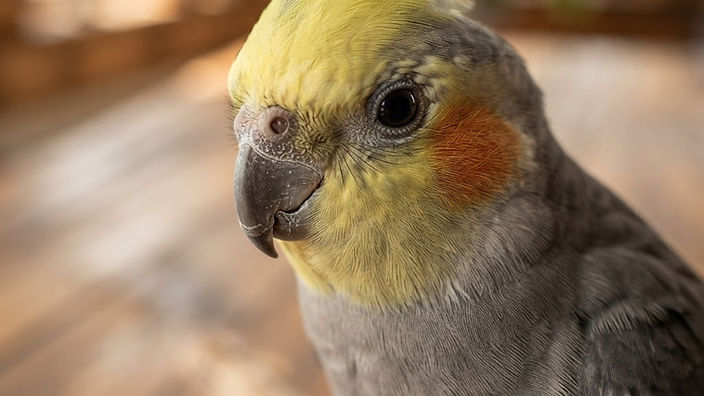
The Crest Indicator
The most obvious gauge of a cockatiel mood sits right on top of its head. When the crest stands perfectly vertical, your bird is alert or curious about a sudden sound. This is the neutral position of a bird paying attention to its surroundings. If you see this happen, wait a few seconds before approaching to see if they settle or if they remain fixated on the object of their interest.
A crest flattened tight against the back of the head serves as a clear warning. It signals anger, fear, or a desire to be left alone. If you see a flattened crest while your hand is inside the cage, pull back immediately. This is not the time to persist with social interaction. A bird in this state is likely to bite if pushed further.
A crest held at a forty five degree angle typically indicates a relaxed bird. If this position is accompanied by a gentle grinding of the beak, your bird is likely preparing to nap or is content with its current environment. You can often see this when they are perched on a shoulder after a long day of foraging or exploring.
Wing Posture Signals
Heart wings occur when a cockatiel holds its wings slightly away from the body, curved to form the shape of a heart. Often seen in males, this is a display of confidence or a request for attention. It is usually accompanied by a rhythmic whistle or a bouncy gait. Do not mistake this for aggression as it is purely a social or courting gesture.
When a bird fans its tail feathers out like a wide fan, it is usually balancing or getting ready to take flight. However, if the tail is fanned while the bird is standing still and looking at you, it may be a sign of irritation. Take note of the intensity of the fanning to distinguish between a simple stretch and a defensive posture.
Drooping wings that touch the perch can mean your bird is cooling off after a period of intense activity. If your bird has been flying or running around for ten minutes, it needs a moment to catch its breath. Always check if the bird is also panting or keeping its beak slightly open, as these are indicators of exertion.
Vocalizations and Meaning
A hiss is the equivalent of a sharp verbal warning. It is a dry, breathy sound produced by forcing air out of the beak. Cockatiels use this to tell you that you are getting too close or that they feel threatened. Always respect the hiss by giving the bird more physical space immediately.
The flock call is a loud, piercing note used when the bird cannot see you but knows you are nearby. It is a request for your location or a demand for your company. Responding with a soft whistle or a spoken word can often settle the bird, as it confirms you are still safe and within the immediate territory.
Soft chirps and chattered sequences are the sounds of a comfortable bird. This is their way of socializing or expressing contentment while they busy themselves with toys. These sounds should be encouraged, as they indicate a bird that feels secure in its living space and trusts its human companions.
Body Movements Explained
Head bobbing is a curious behavior. It can indicate excitement when they see their favorite treat or a person they recognize. It can also be a way for the bird to look at you from different angles to get a better sense of your mood or intentions. Some birds bob their heads when they are trying to solicit food or grooming from another member of the household.
If your bird begins to pace back and forth on a perch, it may be feeling restless or anxious. This happens often if they have been confined for too long without a chance to stretch their wings. Ensure they have adequate time out of the cage each day to explore, climb, and burn off physical energy.
A bird that tucks its head into its back feathers while standing on one foot is entering a deep state of rest. It is a sign of complete comfort. Never disturb a bird in this position unless necessary, as they rely on this downtime to maintain their overall health and temperament.
Identifying Subtle Tension
Watch for the way the bird shifts its weight on the perch. A bird that is preparing to strike or bite will often stiffen its legs and lean forward. This shift in posture happens in a fraction of a second before the lunge occurs. Learning to see this micro-movement will save your fingers during training sessions.
Eye pinning is a classic, if subtle, sign. The pupils will dilate and contract rapidly. This happens when the bird is intensely focused, whether on a toy, a treat, or a potential threat. If you notice eye pinning while you are handling the bird, it is a sign that they are becoming overstimulated or agitated.
Feather ruffling is often misinterpreted as a sign of aggression, but it is usually a way to rearrange feathers or release tension. However, if the bird ruffles its feathers and then holds its body completely still with wide eyes, it may be trying to appear larger to discourage a perceived intruder.
Managing Daily Interactions
Always approach your bird from the front. A cockatiel has blind spots behind its head, and a hand appearing from the rear can trigger a defensive reaction. Let the bird see your hand coming at least two feet before it reaches the cage or the perch, allowing it time to process your intentions.
Read the signals of your bird before attempting to pick it up or move it. If the bird begins to retreat away from your hand, let them move. Following them or forcing the interaction will only erode the trust you have built. Consistency in respecting these small cues is the foundation of a good relationship.
If you notice any significant, sudden changes in behavior or posture that seem abnormal for your specific bird, consult an avian vet.