Seven Days of Silence With Your New Cockatiel
This guide covers the initial adjustment period for a new cockatiel, focusing on behavioral cues and how to establish trust during the first week at home.
The First Twenty Four Hours
Your new cockatiel enters your home in a state of sensory overload. The transition from a pet store or breeder cage to your living space involves new noises, smells, and visual landmarks. Place the cage in a quiet corner where the back is against a wall so the bird feels secure from surprise movements. Keep the environment still and avoid unnecessary conversation or music.
Do not reach into the cage to pick the bird up today. Your primary task is to observe from a distance. If the bird stays on the bottom of the cage, keep the area calm and dim. Most cockatiels will find the highest perch within the first day to scope out the territory. Leave a shallow dish of millet near that perch to encourage eating without forcing the bird to navigate new terrain.
Setting Boundaries Early
Days two and three are for establishing a rhythm rather than interaction. Walk past the cage at a steady pace and speak in a low monotone voice so the bird learns your presence is not a threat. If the bird hisses or puffs its feathers when you approach, back away two steps. Respecting these distance cues prevents the bird from feeling it must defend its personal space.
Keep cage cleaning to a minimum during this time. Change the food and water paper liners with slow, deliberate movements. Do not hover over the bird or stare directly into its eyes, as cockatiels perceive prolonged direct eye contact as predatory behavior. Keep your hands visible and avoid quick gestures near the bars.
Watching Body Language Cues
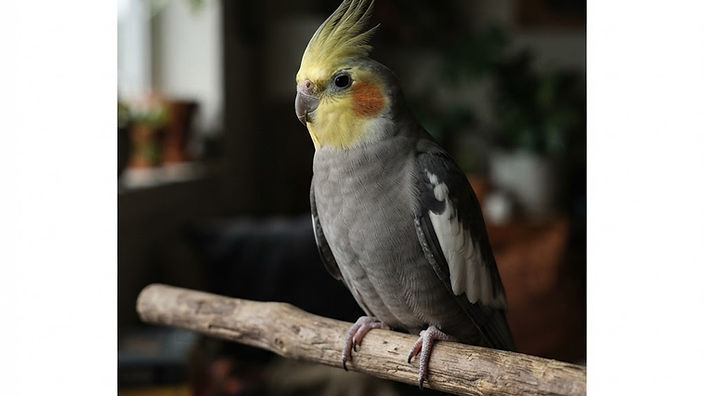
By day four, look for signs of relaxation. A bird that begins to preen its wings or makes soft chirps is starting to settle. If the crest is held flat against the head or slightly angled, the bird is alert but likely not panicked. If the crest stands straight up like a needle, your bird is frightened and needs more space.
Listen for the sound of beak grinding. This is the ultimate sign of contentment in a cockatiel. If you hear a soft, rhythmic clicking noise while the bird sits on one foot with fluffed feathers, it is relaxed. This is the perfect time to sit nearby and read a book or fold laundry without engaging the bird directly.
Testing Gentle Interaction
On day five, you may try offering a treat through the bars of the cage. Hold a spray of millet or a small piece of dark leafy green between your thumb and forefinger. Let the bird choose to come to you rather than moving your hand toward its beak. If it retreats, pull back immediately and try again later.
Move slowly to ensure the bird does not flap into the cage walls. Panic flights can cause broken tail feathers or bruised wings. If the bird takes the treat, stay still and keep your breathing steady. Avoid the temptation to reach out and touch the feathers, as this will likely break the trust you just built.
Recognizing Early Warning Signs
Monitor for signs that the bird is not adjusting well to the new environment. If the bird remains on the cage floor for more than forty eight hours or shows loose droppings that are unusually watery, it is under significant stress. A bird that refuses to eat for a full day requires immediate attention to its comfort levels.
Check that the bird is not sleeping excessively during the day. While cockatiels take short naps, a bird that keeps its eyes closed for long periods while puffed up is likely hiding symptoms of a problem. Watch for tail bobbing while breathing, which indicates the bird is exerting effort to get enough oxygen.
Gradual Trust Building
By the seventh day, you are moving from a stranger to a known part of the furniture. The bird should track your movement around the room with interest rather than fear. You might see the bird stretch one wing and leg simultaneously, which is a sign of comfort and muscle engagement.
Continue to avoid reaching over the top of the head until the bird is comfortable being handled. The goal of this first week is not to have a companion bird, but to have a bird that does not fear you. Consult an avian vet for anything medical.