Managing Liver Health in Quaker Parrots
Quakers gain weight easily and liver issues are common. This guide explains how to identify early warning signs and adjust their daily diet for better long-term health.
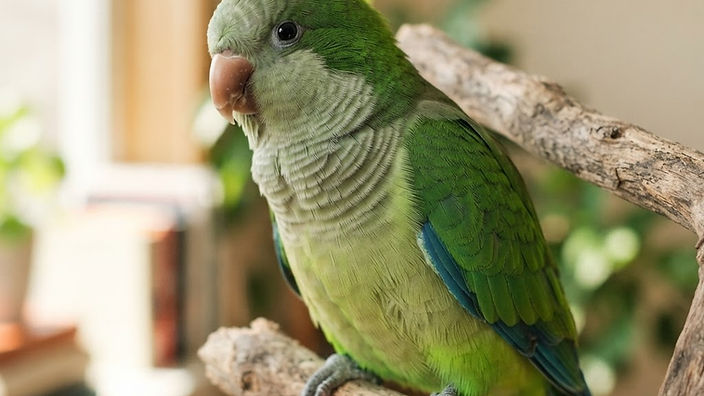
The Quaker Metabolism
Quakers are naturally predisposed to storing body fat because they evolved in environments where food supplies were not always predictable. In the wild, they burn calories foraging, flying long distances and building complex communal nests that require constant physical labor. When kept in a home setting, these birds often lead a much more sedentary life while eating calorie-dense pellets or large amounts of seeds.
Their liver acts as the primary processing center for these excess nutrients. When a bird consumes more fat than it can burn through movement, the liver begins to accumulate deposits. This puts stress on the organ, which eventually struggles to filter toxins and produce the substances needed for healthy digestion.
Recognizing Early Signs
You might notice a change in your bird's droppings before you see any behavioral shifts. A healthy dropping typically has a crisp, well-defined white urate section and a solid fecal portion. If the white part starts looking yellow or greenish, this is a signal that the liver is under pressure. Do not wait for the bird to look lethargic, as birds are masters at hiding illness until they are quite unwell.
Check your bird's chest by gently parting the feathers along the keel bone. You should be able to feel a slight ridge, but if you have to push through layers of fat to reach the bone, your bird is carrying too much weight. Another sign is overgrown or flaky scales on the feet or a beak that seems to grow faster than it wears down, often appearing brittle or slightly misshapen.
Watch for subtle changes in energy levels. A bird that used to fly to you on command but now prefers to walk or climb instead may be conserving energy because of the strain on its internal organs. Frequent preening of the same spot on the wing or a lack of interest in shredded toys can also suggest the bird feels uncomfortable or bloated.
Rethinking Daily Calories
Most commercial seed mixes are far too high in fat for a house-bound Quaker. Sunflower seeds and safflower seeds are treats, not staples, and they should be removed from the daily bowl entirely. If your bird is currently on a seed-based diet, transition slowly by mixing in high-quality pellets over several weeks to avoid starvation or stress.
Vegetables should form a major part of the daily intake. Leafy greens like kale, dandelion leaves, and Swiss chard provide necessary fiber and micronutrients without the heavy caloric load. Fresh broccoli, shredded carrots, and snap peas add variety and keep the bird interested during meal times.
Pay attention to the frequency of treats. A single nut, like a piece of almond or walnut, is a large portion for a bird that weighs around 100 to 120 grams. Save these high-fat items for training sessions only, and keep them tiny, roughly the size of a single sunflower seed, so they do not tip the nutritional balance of the entire day.
Movement and Activity
Exercise is the only way to help a bird metabolize stored fat. If your Quaker spends most of its time in the cage, it will not maintain a healthy weight. Encourage flight by placing landing platforms on opposite sides of the room. If your bird is clipped, focus on climbing challenges using hanging ladders, rope perches that sway, and foraging toys that require the bird to reach or lean to retrieve a piece of carrot or a piece of kale.
Make your bird work for its food. Use paper treat bags that the bird has to tear open to reach a piece of broccoli. Hide pellets in different spots around the cage so the bird must patrol its environment to eat. This mimics the natural foraging behavior that keeps wild parrots lean and active.
The Role of Consistency
Weight fluctuations are common in parrots but rapid changes are a warning sign. Use a small digital kitchen scale to weigh your bird every morning before it eats. A loss or gain of even five grams in a week is significant for a small Quaker. Keep a simple logbook or use a notes app on your phone to track these numbers over several months.
Consistency in the timing of meals also helps the body regulate its metabolism. Offering food at the same time each day allows the bird to settle into a predictable routine. Avoid leaving food bowls full for twenty four hours, as this encourages constant grazing rather than actual meals.
When To Seek Help
If you see a change in stool color, a change in beak shape, or if you feel a heavy fat deposit on the abdomen, take your bird to an avian veterinarian for a blood panel. Only a professional can determine the true state of your bird's organ health through specific testing.