Managing Cockatiel Dust and Bathing Needs
Cockatiels produce a unique powder down that requires specific management. This guide covers safe bathing methods and air quality solutions for your home.

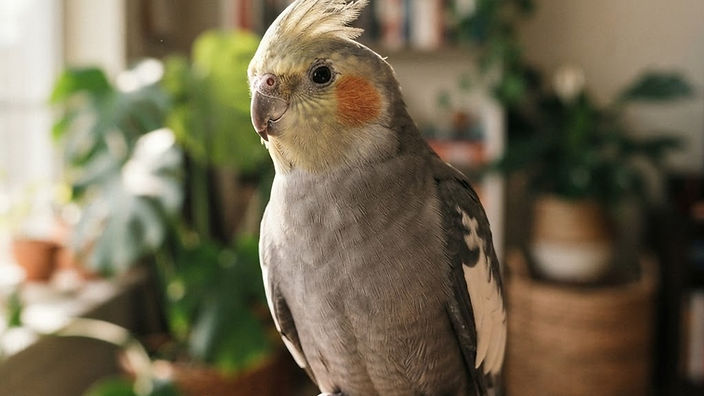
The Reality of Powder
If you share your life with a cockatiel, you will see a fine grey film settle on your television, your bookshelves, and the top of your curtain rods. This substance is known as powder down. Unlike other species that preen using oil from a gland, cockatiels have specialized feathers that break down into a fine, waxy white or grey dust. It serves as a natural waterproofing agent, coating their feathers as they groom.
For a bird, this mechanism is excellent. For a human living in an apartment or a small house, it is a constant presence. You can wipe down a surface in the morning, and by evening, a thin layer will have reappeared. Recognizing that this dust is a physical byproduct of healthy preening helps shift the perspective from annoyance to acceptance. You are living with a bird that produces its own environment.
While it is harmless for most people, those with sensitive lungs should be aware of its accumulation. The particles are lightweight and travel easily on air currents. Keeping the cage clean helps, but the dust originates from the bird itself. It is a part of the daily rhythm of keeping these specific parrots.
Importance of Air Filtration
A high quality air purifier with a true HEPA filter is the most effective tool in your arsenal. Choose a unit rated for a room larger than where your bird resides to keep the air cycling. You need to verify that the unit does not use ozone generators or ionizers, as these can be hazardous to the delicate respiratory system of a bird. Stick to mechanical filtration that catches particles on a physical mat.
Regular maintenance of the filter is just as important as the purchase. Cockatiel dust will clog a pre-filter within a week or two, depending on the air quality and the activity levels of the bird. Vacuum or replace these pre-filters often to keep the motor running smoothly. If you see the filter turning grey, you know it is doing exactly what it was designed to do.
Place your air purifier within a few feet of the cage for maximum impact. While it will not eliminate every speck of dust, it will capture the majority of the powder before it settles on your furniture. This is the difference between dusting your house every day and managing the situation on a weekly basis.
Mastering the Bathing Ritual
Bathing serves two functions: it removes excess dust and keeps the feathers conditioned. Many cockatiels prefer a light misting rather than a deep dish of water. A clean spray bottle, reserved exclusively for your bird, is usually the best approach. Avoid scented soaps or chemicals, as these can strip the natural waxy coating and irritate the skin.
Adjust the nozzle of your spray bottle to create a fine, gentle mist rather than a sharp stream. Position the bottle above the bird and let the water fall down like a soft rain. If you point the nozzle directly at the face, the bird may become frightened or startle. Let the bird decide if it wants to participate by turning its back or spreading its wings to catch the droplets.
Monitor your bird for signs of discomfort during the process. If it freezes, tucks its head, or tries to hide in a corner of the cage, stop immediately. Some individuals enjoy a bath every day, while others prefer to be misted twice a week. Respect their individual preferences as they mature.
Finding the Right Water
Water temperature matters more than many owners realize. Use room temperature or slightly lukewarm water. If the water is too cold, the bird may become chilled before it has a chance to dry, especially if there is a draft in the room. If it is too warm, you risk causing discomfort to the skin beneath the feathers.
Some cockatiels prefer a shallow, flat-bottomed ceramic dish or a stainless steel pie pan filled with a half inch of water. Watching a bird splash around in a dish is entertaining, but it is also messy. Ensure the surface is non-slip so the bird does not panic if it loses its footing. If the bird refuses to bathe in a dish, do not force the issue, as some birds simply prefer the misting method.
Always dispose of the water immediately after the bath. Birds often defecate in their bath water, and drinking from a contaminated source can introduce unwanted bacteria into their system. Clean the dish thoroughly with hot, soapy water once the bath is finished.
Safe Drying Practices
Never leave a wet bird in a drafty room or near an open window. After a thorough misting, the bird will need time to preen and dry, which can take several hours depending on the humidity of your home. You may notice them vibrating or shaking their wings to loosen excess moisture, which is a normal part of the process.
If your home is particularly cool, consider using a warm, dry towel to gently blot the bird if it allows, but do not rub the feathers. Allowing them to sit in a warm spot, such as near a sunlit window, can also speed up the drying process. Do not use a hairdryer, as the noise can be stressful and the high heat can easily damage delicate feather structures or cause overheating.
Keep a close eye on their behavior as they dry. If they appear lethargic or hold their wings away from their body for an extended period, they may be cold. Adjust the ambient room temperature to ensure they can dry off in comfort and safety.
Signs of Feather Trouble
A healthy cockatiel should have smooth, clean feathers that sit tightly against the body. If you notice a sudden change in the amount of dust or the condition of the feathers, pay attention. Excessively dry, brittle feathers or skin that looks flaky rather than powdery may indicate a need for more humidity in the environment or a change in diet.
Conversely, if the bird seems to be over-preening or pulling out feathers, this is a signal that something is wrong. Watch for any redness or swelling on the skin, as this can lead to infections. Small birds often mask discomfort until it becomes a significant issue, so keep a consistent daily log of their habits.
If you observe persistent itching, bald patches, or any changes in the way your bird carries its wings, consult an avian vet.